
Drupal is an open-source content management system (CMS) for building websites, portals and digital platforms. It is free, written in PHP and maintained by an international community of thousands of developers and companies. It is mostly used for projects with a lot of content, several languages, many editors or integrations with other systems: public administrations, universities, research centres, media and large companies.
In this guide we explain what Drupal is, how it works, what it is used for and when it makes sense to choose it.
A bit of history
Drupal was born in 2001 as a personal project of Dries Buytaert and was released as free software. Today it is distributed under the GPL licence: anyone can use, modify and deploy it without paying for licences. Version 8 was a complete rewrite on top of Symfony components, and since then new versions (9, 10 and 11) are upgraded without rebuilding the site. The current version is Drupal 11.
How Drupal works: the building blocks
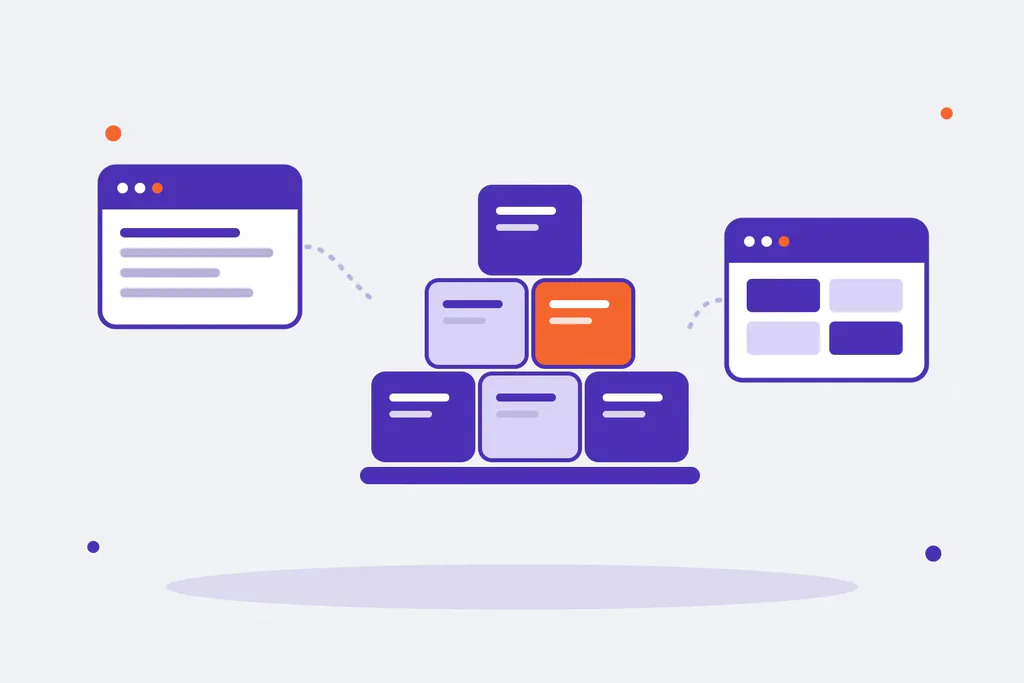
- Content types and fields. Each content type (news item, event, product, researcher, publication) has its own fields: text, dates, images, documents, references to other content. Content stays structured instead of being one block of text.
- Taxonomies. Vocabularies to classify content (topics, sectors, locations) and filter it.
- Views. Lists, search pages, tables, feeds or APIs built on top of the content without writing queries.
- Users, roles and permissions. Each role can have very specific permissions: who creates, who reviews, who publishes, which sections each person sees.
- Modules. They extend Drupal: core modules, thousands of community-contributed modules and the custom modules of each project.
- Themes. They define the design with Twig templates, separate from the logic.
- Multilingual. Content, interface and configuration are translated from core, without external plugins.
What Drupal is used for
- Institutional and public administration portals, with a lot of content, accessibility and publishing workflows.
- Universities and research centres: groups, projects, publications, staff and events related to each other.
- Media and content sites with many editors and sections.
- Intranets and extranets with group permissions.
- Multilingual and multisite setups, several sites sharing one base.
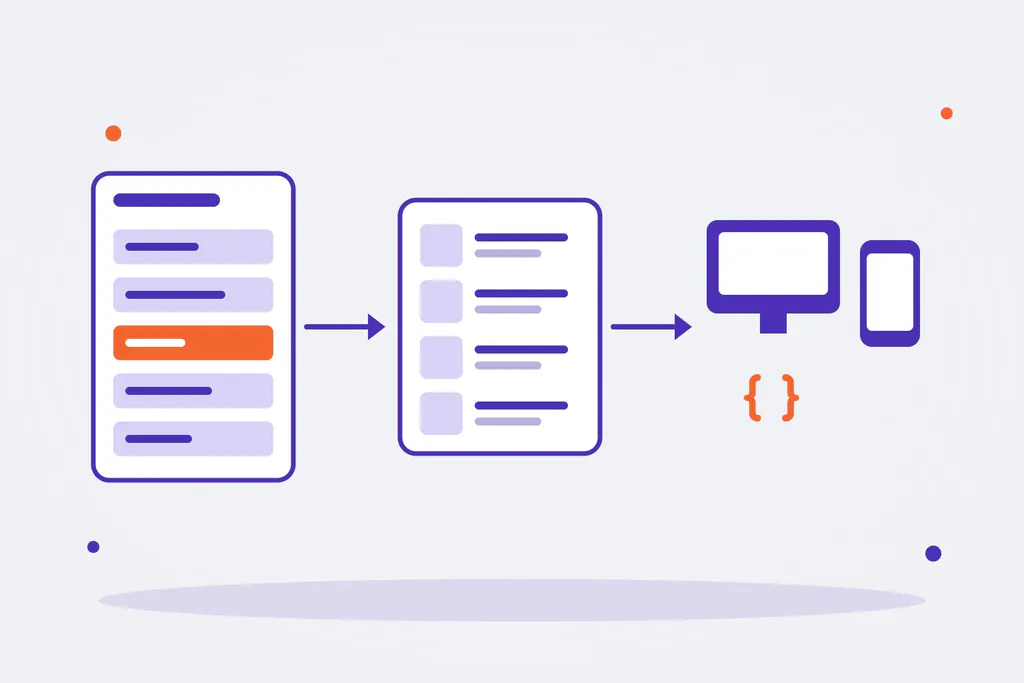
- Back end for apps and headless websites: Drupal exposes content through JSON:API, included in core, so a React front end or a mobile app can use it. We explain it in our JSON:API with Drupal guide and in the SSTool case.
Pros and cons
Pros
- A very flexible content model without coding.
- Security: a dedicated security team and a very rigorous advisory and patching process.
- Scalability for large, high-traffic sites.
- Multilingual and advanced permissions out of the box.
- No licence fees and no vendor lock-in.
Cons
- A steeper learning curve than WordPress, both for development and for editing.
- It needs specialised developers.
- For a small, simple website it can be more than you need.
If you are torn between the two, we compare them point by point in Drupal vs WordPress.
Drupal CMS: the ready-to-use version
Since January 2025 there is Drupal CMS, a Drupal distribution designed for marketing and content teams: it comes with preconfigured features (SEO, forms, media, search) through “recipes” and with more visual editing. It is the same Drupal inside, but much easier to get started with.
What if I have a Drupal 7 site?
Drupal 7 reached its end of life on 5 January 2025. Moving to Drupal 11 is not an upgrade but a migration, and we explain it in detail in how to migrate from Drupal 7 to Drupal 10 or 11.
Drupal with Omitsis
We have been a team specialised in Drupal for more than ten years: development of sites and platforms, custom modules, integrations, headless, migrations and maintenance. Some projects: Kernpharma and AQUA España. If your team already works with Drupal, we can also strengthen it. See what we do on our Drupal page or tell us about your project.