
Almost every company has already tried AI: someone uses ChatGPT to draft emails, someone else to summarise documents. But that does not change how the company works. The leap comes when AI is connected to the processes: it reads the orders that arrive by email, enters them in the ERP, prepares the quote or sorts the support tickets, and the team only reviews what needs reviewing.
That leap is the job of an AI integrator. This guide explains what they do, how they differ from a consultancy or a software vendor, and what to ask before choosing one.
What an AI integrator is
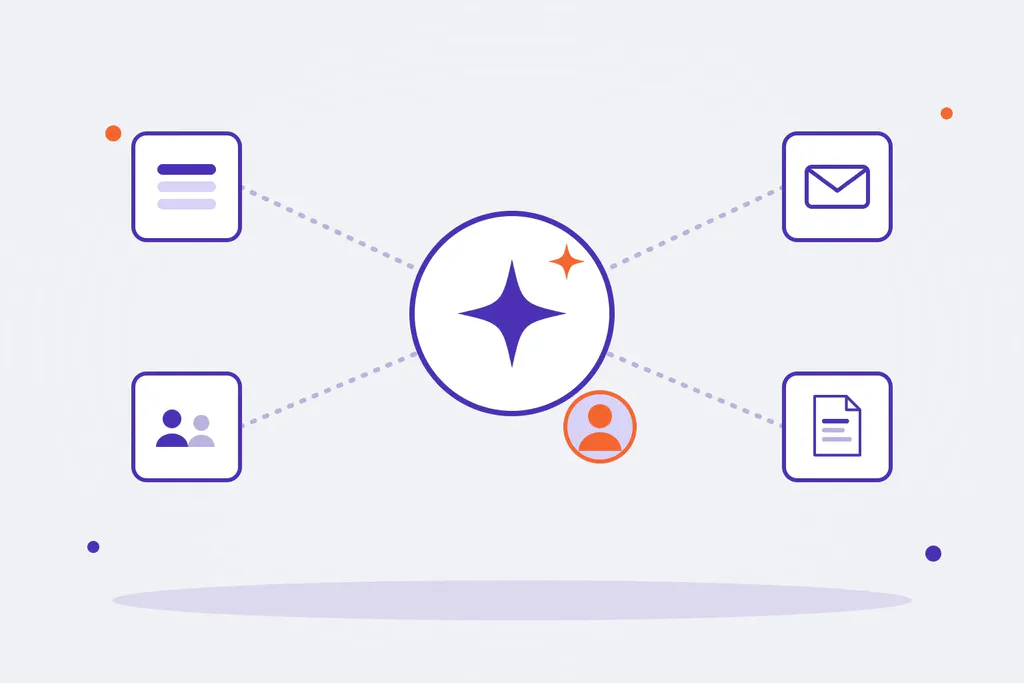
An AI integrator is the company or team that puts artificial intelligence to work inside your business: they find which processes are worth automating, design the solution, connect it to your tools (ERP, CRM, email, documents), put it into production and keep it running.
They do not sell a particular model or tool. They pick the right piece for each case: sometimes a language model, sometimes a multi-step flow with human validation, and often plain code, because some tasks are done better, cheaper and without mistakes by a program.
Integrator, consultancy, software vendor or in-house team
| What you get | When it fits | The risk | |
|---|---|---|---|
| Strategy consultancy | A diagnosis and a roadmap | Large companies that need to prioritise before investing | You are left with a document and nobody to build it |
| AI tool vendor | A product that solves one specific task | Standard needs (a generic chatbot, transcription) | It adapts poorly to your processes and depends on their roadmap |
| In-house team | Full control | Companies with dedicated technical and data profiles | Expensive and slow to build, and AI changes every month |
| AI integrator | Diagnosis, development, integration and maintenance | Most small and mid-sized companies that want results without setting up a department | Picking one that knows AI but not systems integration |
What an AI integrator does, step by step
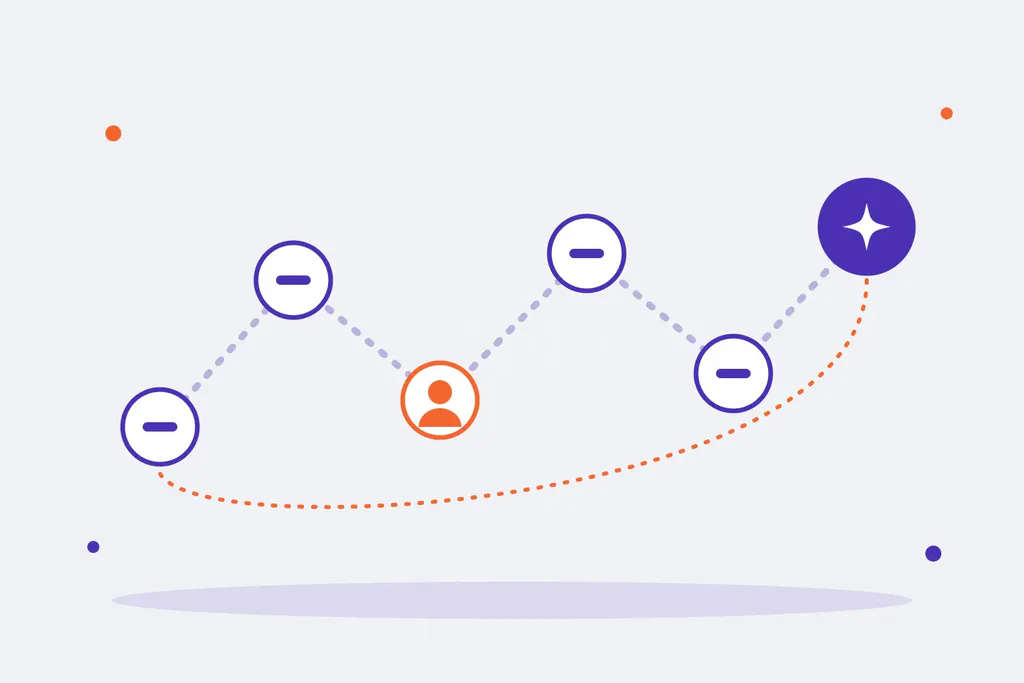
- Diagnosis. They sit down with your team and find the tasks that take the most hours: quotes, document handling, customer service, reports, order entry.
- Prioritisation. For each process they work out what it costs today and what can be recovered, and propose where to start.
- Solution design. They decide what the AI does, what code does and what a person validates.
- Integration. They connect the solution to what you already use, so the team keeps working as it does today.
- Go-live with human validation at first and supervision afterwards.
- Measurement and maintenance. They compare hours and costs with the starting point, adjust and extend.
What to ask before choosing one
- Which processes would you automate for us, and how much would each one save? A generic answer means they have not understood your business.
- When would you use AI and when plain code? A good integrator does not solve everything with AI.
- Which systems will you integrate with, and how? Ask about your ERP, your CRM and your email specifically.
- What happens when the AI gets it wrong? There should be human validation, a log of what it does and a way to correct it.
- Where is my data and who sees it? Hosting, model providers and whether it is used for training.
- Does it depend on a single AI provider? Better if the model can be swapped without rebuilding the system.
- How will we measure the result? With hours and costs before and after, not with impressions.
- Who maintains it afterwards? Models, APIs and your processes change; the solution has to change too.
Red flags
- They promise to automate everything from day one.
- They only talk about models and never about your processes or your data.
- They do not suggest a small, measurable pilot before a big project.
- They have no experience integrating systems: the hard part is almost never the model, it is connecting to the ERP, the documents and the people.
- They deliver a nice demo and disappear when it has to go into production.
How we work as AI integrators at Omitsis
We are AI integrators for business processes. We have spent many years building and integrating websites, online stores and systems with ERPs and CRMs, and we now apply that experience to AI:
- An Omitsis consultant sits down with your company.
- Together we identify the most costly, tedious or repetitive processes.
- For each one we propose a tailored implementation, with deterministic code or with AI.
- You choose where to start.
- We roll it out step by step and measure the results.
- We act as consultants, developers and maintainers, so everything keeps working and stays aligned with your business.
If you want to know what your team could automate, see our AI implementation for businesses and AI process automation services, or tell us about your case. We also explain what an AI architect does and the building blocks of an AI architecture.